

The refractory period is nature’s version of a cooldown timer — it kicks in after orgasm and makes it temporarily impossible to get hard again. For some...
The refractory period is nature’s version of a cooldown timer — it kicks in after orgasm and makes it temporarily impossible to get hard again. For some, that’s 10 minutes. For others, it’s hours. Or even a whole damn day. But here’s the wild part: it doesn’t hit the same after a solo session compared to when you’re with a real girl.
Why is it like that?
In men, this is accompanied by a drop in testosterone and a spike in oxytocin and serotonin, both of which promote feelings of bonding and calmness, but also help shut the whole arousal loop down temporarily.
Watching porn — especially if you're switching tabs, genres, or watching ultra-stimulating content — hijacks your dopamine system in a very different way than real-life sex does. You’re not just climaxing; you’re flooding your brain with novelty, which spikes dopamine before the orgasm.
Then, after orgasm, there’s a sharp crash. That dopamine withdrawal, combined with the prolactin spike, hits harder. Think of it like bingeing sugar — the crash is worse because the high was artificially intense.
Meanwhile, being with a partner involves more than just dopamine. There's touch, smell, sound, and real-time feedback, all of which trigger oxytocin and endorphins that buffer the post-orgasm slump. The dopamine spike isn’t as artificial, and the crash is usually gentler. You may even stay semi-aroused if the connection is good.
In contrast, real sex taps into evolutionarily natural reward systems. The bonding chemicals released during intimacy (oxytocin & vasopressin) work in harmony with dopamine, instead of frying the circuits. The result? A shorter refractory period and more energy to go again — mentally and physically.
So far, there’s no drug that totally and completely suppresses the refractory period. That said there are drugs that do their best to make sure that the refractory period is as short as it can be.
While there’s no single “refractory period killer,” modern pharmacology offers several ways to narrow the gap, regain interest, and physically prepare for round two faster than nature intended. For many, a smart combination of dopamine-enhancing compounds and blood-flow agents does the trick.
Why is it like that?
What is The Refractory Period Exactly?
Biologically, the refractory period is regulated by a cocktail of neurochemicals. After orgasm, there’s a huge release of prolactin, a hormone associated with sexual satisfaction. Prolactin acts like a brake pedal for arousal — it suppresses dopamine (your "wanting" neurotransmitter) and cools off your sexual systems.In men, this is accompanied by a drop in testosterone and a spike in oxytocin and serotonin, both of which promote feelings of bonding and calmness, but also help shut the whole arousal loop down temporarily.
So Why Is It Worse After Watching Porn?
Here's where things get interesting.Watching porn — especially if you're switching tabs, genres, or watching ultra-stimulating content — hijacks your dopamine system in a very different way than real-life sex does. You’re not just climaxing; you’re flooding your brain with novelty, which spikes dopamine before the orgasm.
Then, after orgasm, there’s a sharp crash. That dopamine withdrawal, combined with the prolactin spike, hits harder. Think of it like bingeing sugar — the crash is worse because the high was artificially intense.
Meanwhile, being with a partner involves more than just dopamine. There's touch, smell, sound, and real-time feedback, all of which trigger oxytocin and endorphins that buffer the post-orgasm slump. The dopamine spike isn’t as artificial, and the crash is usually gentler. You may even stay semi-aroused if the connection is good.
TL;DR: Porn Hijacks Your Brain. Real Sex Grounds It.
Your brain treats novelty like a drug. And porn — especially high-speed, high-variety internet porn — delivers novelty at an unnatural rate. That overload leads to dopamine fatigue, which amplifies your refractory period.In contrast, real sex taps into evolutionarily natural reward systems. The bonding chemicals released during intimacy (oxytocin & vasopressin) work in harmony with dopamine, instead of frying the circuits. The result? A shorter refractory period and more energy to go again — mentally and physically.
So far, there’s no drug that totally and completely suppresses the refractory period. That said there are drugs that do their best to make sure that the refractory period is as short as it can be.
 Cabergoline (Dostinex)
- Function: Dopamine agonist, suppresses prolactin levels.
- How it works: Prolactin spikes after orgasm and contributes to the inability to get hard or interested again. Cabergoline directly lowers this hormone.
- Reported Effects: Some men can achieve a second erection almost instantly after ejaculation.
- Downsides: Prescription-only; possible side effects include low blood pressure, dizziness, and long-term cardiac risks with misuse.
 Selegiline (Deprenyl)
- Function: MAO-B inhibitor that increases dopamine availability in the brain.
- How it works: Higher dopamine is associated with increased libido, motivation, and a faster “bounce back.”
- Reported Effects: Enhanced sexual drive and reduced emotional "flatness" after climax.
- Downsides: Can interact dangerously with SSRIs and stimulants; should be dosed with caution.
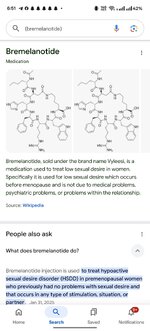
 PT-141 (Bremelanotide)
- Function: Melanocortin receptor agonist.
- How it works: Doesn’t affect hormones like testosterone or prolactin directly — instead, it stimulates the brain’s arousal centers.
- Reported Effects: High sexual arousal and ability to re-engage even after orgasm.
- Downsides: Must be injected or taken nasally; side effects include nausea in some users.
 L-DOPA (via Mucuna Pruriens)
- Function: Dopamine precursor.
- How it works: Increases dopamine and may also suppress prolactin mildly.
- Reported Effects: Some users report heightened sexual interest and shorter refractory windows.
- Downsides: Overuse can lead to dopamine imbalances; results vary.
While there’s no single “refractory period killer,” modern pharmacology offers several ways to narrow the gap, regain interest, and physically prepare for round two faster than nature intended. For many, a smart combination of dopamine-enhancing compounds and blood-flow agents does the trick.