

New York City, known for its vibrant culture and diverse communities, is witnessing a transformation in its landscape, and it's not just about towering...
New York City, known for its vibrant culture and diverse communities, is witnessing a transformation in its landscape, and it's not just about towering skyscrapers and trendy neighborhoods. According to recent reports, there's a notable surge in the red-light district of Queens, and the city's mayor, Eric Adams, attributes this boom to the growing influence of migrants.
In a statement that has sparked discussions across the city, Adams pointed to the migrant community as a driving force behind the increased activity in the red-light district. While the remarks have raised eyebrows, they also invite us to consider the complex interplay of factors that contribute to the ever-changing dynamics of urban life.
First and foremost, it's crucial to acknowledge the challenges faced by migrants who arrive in a new country seeking better opportunities. Many migrants find themselves navigating unfamiliar territories, often contending with language barriers and economic hardships. In some instances, individuals may turn to unconventional means to make ends meet, contributing to the transformation of certain neighborhoods.
The red-light district, traditionally associated with adult entertainment and nightlife, has become a focal point for this discussion. These main neighborhoods affected by this is East New York and Queens.
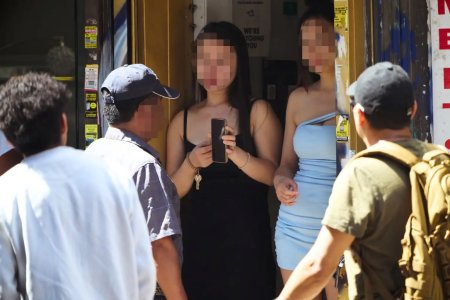
Queens has always had a red light district, but since the the borders have opened providers have tripped in the borough. You see Chinese, Columbian, but mostly Venezuelan in the neighborhoods in broad daylight. Mind you, the city knows this is happening but it looking at it as a victimless dubbing the area “Market of Sweethearts.”
You can find these women along Roosevelt Ave in Queens, New York. Just be warned, just because this place is known doesn't mean it's still not illegal. If you get caught you will be going to jail and paying a fine.
As New York City continues to evolve, so too should our understanding of the factors that shape its neighborhoods. Instead of pointing fingers, let's use this moment to foster empathy, engage in meaningful dialogue, and work towards creating a city where everyone, regardless of their background, can thrive and contribute to the rich tapestry of urban life.
In a statement that has sparked discussions across the city, Adams pointed to the migrant community as a driving force behind the increased activity in the red-light district. While the remarks have raised eyebrows, they also invite us to consider the complex interplay of factors that contribute to the ever-changing dynamics of urban life.
First and foremost, it's crucial to acknowledge the challenges faced by migrants who arrive in a new country seeking better opportunities. Many migrants find themselves navigating unfamiliar territories, often contending with language barriers and economic hardships. In some instances, individuals may turn to unconventional means to make ends meet, contributing to the transformation of certain neighborhoods.
The red-light district, traditionally associated with adult entertainment and nightlife, has become a focal point for this discussion. These main neighborhoods affected by this is East New York and Queens.
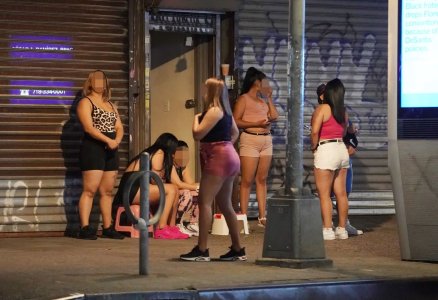
Queens has always had a red light district, but since the the borders have opened providers have tripped in the borough. You see Chinese, Columbian, but mostly Venezuelan in the neighborhoods in broad daylight. Mind you, the city knows this is happening but it looking at it as a victimless dubbing the area “Market of Sweethearts.”
You can find these women along Roosevelt Ave in Queens, New York. Just be warned, just because this place is known doesn't mean it's still not illegal. If you get caught you will be going to jail and paying a fine.
As New York City continues to evolve, so too should our understanding of the factors that shape its neighborhoods. Instead of pointing fingers, let's use this moment to foster empathy, engage in meaningful dialogue, and work towards creating a city where everyone, regardless of their background, can thrive and contribute to the rich tapestry of urban life.


