

Keeping up with the ins and outs of the hobby is what we all do in our off time. We’re always looking for ways to make things easier to navigate while still...
Keeping up with the ins and outs of the hobby is what we all do in our off time. We’re always looking for ways to make things easier to navigate while still enjoying ourselves in the process. Lately, though, certain real-world issues have made it harder for some of us to fully enjoy without feeling tracked or monitored. We’re already dealing with this in every electronic payment app we use, all the way down to crypto, which was supposed to be popular for anonymity. Now, with the UK preparing to implement a new digital ID system, I can’t help but think about how tough this might be for our friends across the Atlantic and what it could mean if it were introduced here in the States.
If you haven’t heard, last Friday the UK government announced digital IDs that will be issued to workers or really, to all citizens. The plan was introduced to address a situation in their country, but that’s not the point of this discussion.
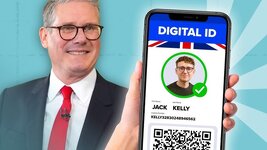 These digital IDs will basically mirror the ones we already carry in our pockets. Name, address, age, and everything else you’d normally find on a driver’s license, but stored on your phone or computer instead. From what I’ve already seen, a lot of people aren’t thrilled about it, especially since it’ll be mandatory. For the average worker, it’s just another inconvenience. Even for clients, it might not matter all that much—unless you really want to dig into the implications of a government-controlled ID system. But for providers, I see this as a much bigger issue.
The number of problems providers could face once this system is in place is astronomical. I don’t believe the ID will stop at basic identification it’ll likely extend into everyday things that are harmless for civilians, but a nightmare for those in sex work. Renting property, banking, or even employment checks could become more complicated. If income and employment are linked to the ID, that could raise a lot of red flags for providers who don’t have “traditional” jobs.
This kind of system could end up putting providers in the limelight in ways they absolutely don’t want. Their civilian and provider lives may blend together more than they’re comfortable with, but if they want to keep working, they might not have a choice.
Without diving too far into conspiracy territory, it’s fair to say this could affect both sides of the hobby. Privacy may no longer exist in any meaningful way. To be honest, it doesn’t really exist now if you’ve got a smartphone or anything with an IP address, the government already knows where you are. A digital ID would just make the world even smaller, something we’re all slowly getting used to.
I think this will spook some providers and clients alike. Since digital IDs are already in place in Australia and Estonia, they’re slowly spreading worldwide. Whether something like this could happen here in the States is debatable, but I won’t get into that here. What I am curious about is how this will impact you guys over in the UK. Maybe it won’t affect the hobby at all, which is what I hope. Maybe it will. Time will tell.
NY Times Digital ID Article
If you haven’t heard, last Friday the UK government announced digital IDs that will be issued to workers or really, to all citizens. The plan was introduced to address a situation in their country, but that’s not the point of this discussion.
These digital IDs will basically mirror the ones we already carry in our pockets. Name, address, age, and everything else you’d normally find on a driver’s license, but stored on your phone or computer instead. From what I’ve already seen, a lot of people aren’t thrilled about it, especially since it’ll be mandatory. For the average worker, it’s just another inconvenience. Even for clients, it might not matter all that much—unless you really want to dig into the implications of a government-controlled ID system. But for providers, I see this as a much bigger issue.The number of problems providers could face once this system is in place is astronomical. I don’t believe the ID will stop at basic identification it’ll likely extend into everyday things that are harmless for civilians, but a nightmare for those in sex work. Renting property, banking, or even employment checks could become more complicated. If income and employment are linked to the ID, that could raise a lot of red flags for providers who don’t have “traditional” jobs.
This kind of system could end up putting providers in the limelight in ways they absolutely don’t want. Their civilian and provider lives may blend together more than they’re comfortable with, but if they want to keep working, they might not have a choice.
Without diving too far into conspiracy territory, it’s fair to say this could affect both sides of the hobby. Privacy may no longer exist in any meaningful way. To be honest, it doesn’t really exist now if you’ve got a smartphone or anything with an IP address, the government already knows where you are. A digital ID would just make the world even smaller, something we’re all slowly getting used to.
I think this will spook some providers and clients alike. Since digital IDs are already in place in Australia and Estonia, they’re slowly spreading worldwide. Whether something like this could happen here in the States is debatable, but I won’t get into that here. What I am curious about is how this will impact you guys over in the UK. Maybe it won’t affect the hobby at all, which is what I hope. Maybe it will. Time will tell.
NY Times Digital ID Article


